Curb Cutting Services Overview for Property Owners
Visitors will learn about curb cutting services and how local contractors can help improve accessibility and property access.
- - Commercial property managers seeking accessible entrances for tenants and visitors.
- - Residential homeowners planning to improve curb appeal and comply with accessibility standards.
- - Contractors looking to connect with local specialists for curb cutting projects on various property types.
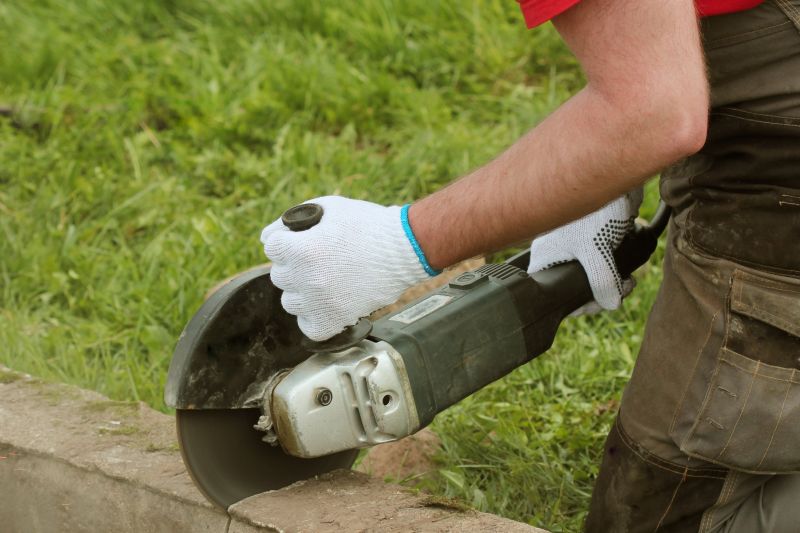
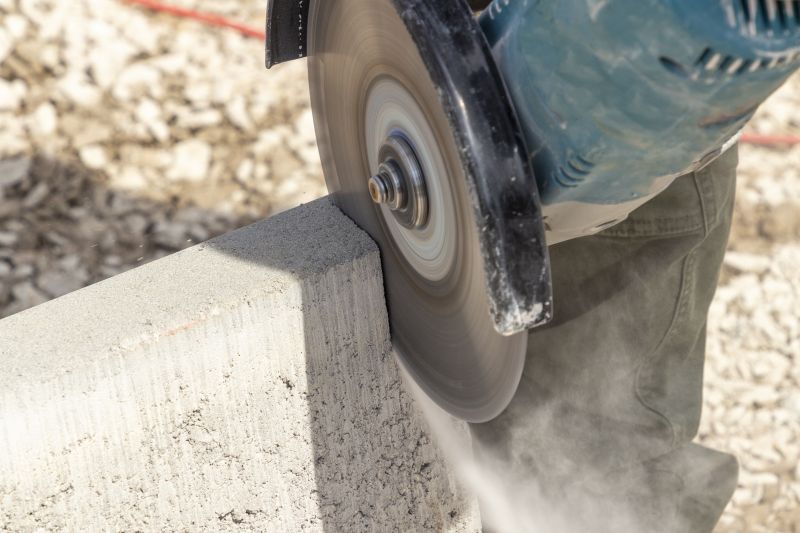
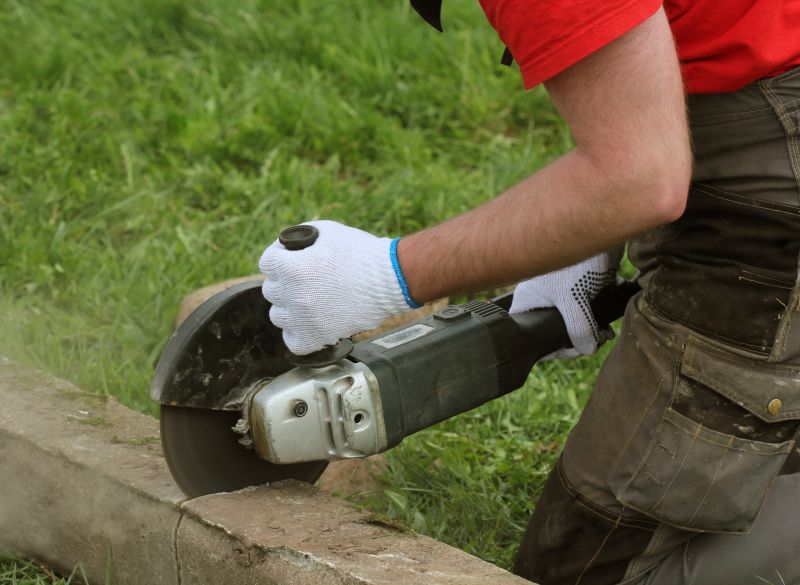
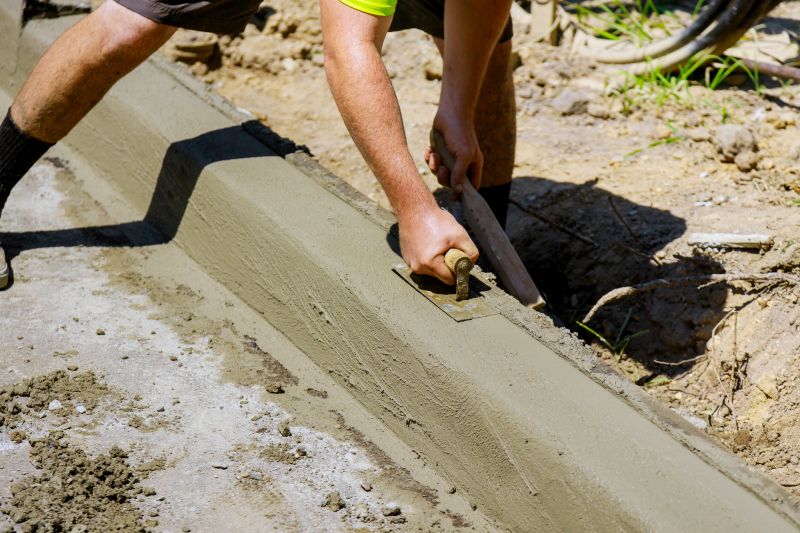
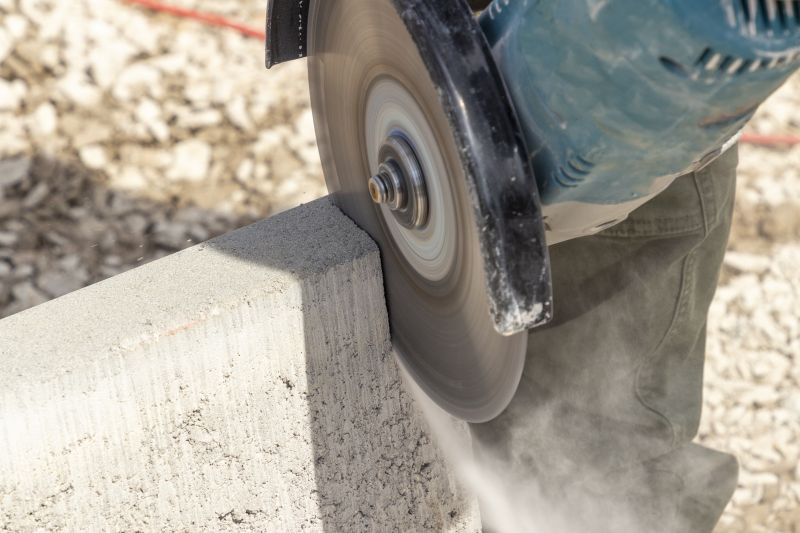
Curb cutting services involve modifying existing sidewalks or pathways to create accessible entry points, such as ramps or lowered curbs. Property owners often seek out local contractors who specialize in these modifications to improve mobility for individuals with disabilities, accommodate construction projects, or enhance overall property accessibility. These professionals typically handle tasks that require precise measurements and careful work to ensure compliance with local standards, making it important to connect with experienced service providers in the area.
Local service providers in curb cutting are equipped to assess the specific needs of each property and execute the necessary modifications efficiently. Whether for residential, commercial, or public spaces, contractors can help create smooth transitions between sidewalks and streets. Property owners can expect these local pros to deliver practical solutions tailored to their property’s layout, providing a safe and functional entryway that meets their accessibility goals.
This guide provides helpful information to understand curb cutting services and what to consider when planning a project. It assists in comparing local contractors and connecting with service providers who handle curb modifications. By reviewing the details, visitors can better prepare to discuss their needs with qualified professionals.